
Best Probiotics for Menopause Digestion
Discover the best probiotics for menopause digestion to support gut health, reduce bloating, and ease digestive discomfort during this life stage.
Menopause is a natural biological process that marks the end of a woman’s reproductive years. As your body goes through hormonal changes, it can bring about various symptoms, including hot flashes, mood swings, and changes in digestion. Digestive issues, such as bloating, constipation, and indigestion, are common during menopause. One way to combat these digestive disruptions is through the use of probiotics—beneficial bacteria that support gut health.
In this article, we will explore the best probiotics for menopause digestion, compare the leading options, and provide you with trustworthy insights to make an informed decision for better digestive health during menopause.
Symptoms of Digestive Discomfort During Menopause
Before diving into the best probiotics, let’s first examine the digestive issues that are most common during menopause:
1. Bloating and gas
-
Why it happens: Hormonal fluctuations during menopause, particularly a decrease in estrogen, can affect the digestive system. This may lead to slower digestion, causing bloating and gas.
2. Constipation
-
Why it happens: As estrogen levels decline, the muscles in the gastrointestinal tract may lose tone, making bowel movements more difficult.
3. Indigestion (heartburn or acid reflux)
-
Why it happens: Menopause can affect the lower esophageal sphincter, which controls the release of stomach acid, leading to heartburn and indigestion.
4. Diarrhea
-
Why it happens: Hormonal shifts may lead to an overactive bowel, causing more frequent or urgent bowel movements.
Probiotics may help alleviate these symptoms by promoting a healthy gut microbiome and balancing the bacteria that play a role in digestion.
How the Best Probiotics for Menopause Digestion can help
Probiotics are live microorganisms that, when consumed in adequate amounts, provide health benefits to the host (in this case, you). During menopause, the gut microbiome can be disrupted by hormonal changes, leading to digestive problems. Probiotics help by:
-
Balancing Gut Bacteria: Menopause can cause an imbalance in gut bacteria, leading to symptoms like bloating and constipation. Probiotics can replenish the beneficial bacteria in the gut.
-
Improving Digestive Health: Probiotics can help restore the normal functioning of the digestive tract, easing symptoms like gas, bloating, and indigestion.
-
Boosting Immune Function: A healthy gut also supports a strong immune system, which is particularly important during menopause.
Top Probiotics for Menopause Digestion
Probiotic Brand | Best Probiotics for Menopause Digestion | Key Features | Strain(s) Used | Best For | Price |
Garden of Life Raw Probiotics for Women | 
| Specially designed for women with 50 billion CFU | Lactobacillus, Bifidobacterium, Saccharomyces boulardii | Bloating, Constipation, Digestive Imbalance | ; Secure checkout on Amazon |
Renew Life Ultimate Flora Probiotic | 
| High CFU count (50 billion), delayed-release capsule | Lactobacillus, Bifidobacterium | Chronic Digestive Issues, Gas, and Bloating | ; Trusted by 100,000+ buyers |
Culturelle Digestive Health Probiotic | 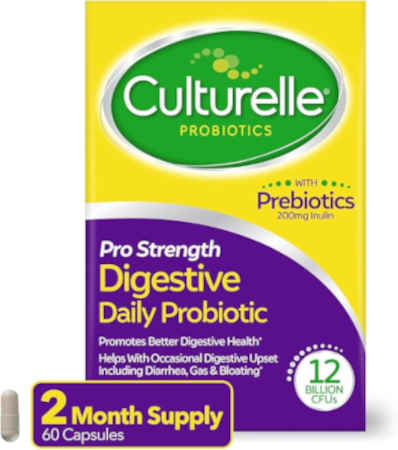
| Contains 12 billion CFU, gluten-free | Lactobacillus GG | .General Digestive Health, Diarrhea | ; No extra cost to you |
NutraBlast Vaginal Probiotics for Women Digestive, Balance | 
| Tailored for women, supports both gut and hormone health | Lactobacillus, Bifidobacterium, | Hormonal Balance, Gut Health | ; Secure checkout on Amazon |
Align Probiotic for Women | 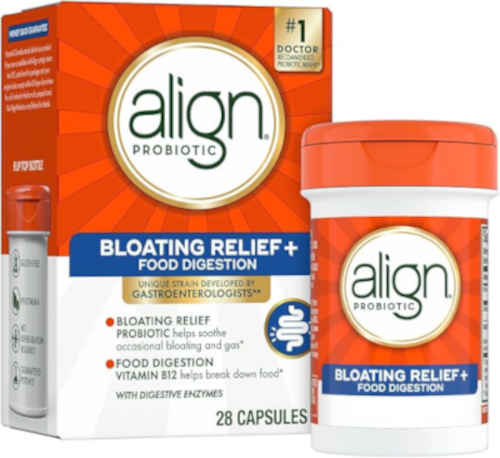
| One of the most recommended brands by gastroenterologists | Bifidobacterium 35624 | IBS-like Symptoms, Diarrhea, and Constipation | ; Trusted by 100,000+ buyers |
Hyperbiotics Probiotic | 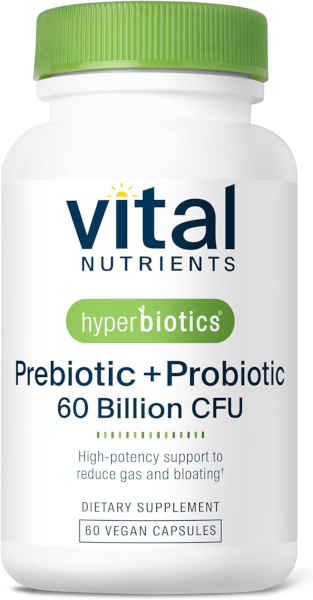
| 15x more effective than regular probiotics | Lactobacillus, Bifidobacterium | Digestive Support | ; No extra cost to you |
How to Choose the Best Probiotics for Menopause Digestion
When choosing a probiotic, there are a few factors to consider:
1. Strain Variety
Different probiotic strains offer different benefits. For menopause-related digestion, look for blends that include Lactobacillus and Bifidobacterium, as these strains are often most effective for digestive support.
2. CFU Count
CFU stands for colony-forming units, which indicate the number of live bacteria in each serving. For digestive issues during menopause, a CFU count between 10 billion and 85 billion is generally considered effective.
3. Targeted Formulas for Women
Certain probiotics are designed specifically for women, addressing both digestive health and hormonal balance. These formulas can help manage menopausal symptoms such as bloating, gas, and indigestion while supporting overall health.
4. Probiotic Delivery System
Some probiotics come in delayed-release capsules or enteric-coated forms, which protect the bacteria from stomach acid, ensuring they reach the intestines where they’re most beneficial.
Best Probiotics for Menopause Digestion Frequently Asked Questions (FAQs)
1. Can probiotics help with menopause symptoms other than digestion?
Yes, certain probiotic strains can help with mood swings, anxiety, and sleep disturbances, which are common during menopause. Some probiotics specifically target hormonal balance and immune support.
2. How long does it take for probiotics to improve digestion during menopause?
The timeline varies, but many people begin to notice improvements in digestion within 1–2 weeks of consistent use. Full benefits may take up to 4–6 weeks.
3. Are there any side effects of taking probiotics during menopause?
Generally, probiotics are safe, but some individuals may experience mild bloating or gas when first starting them. These side effects typically subside after a few days as your body adjusts.
4. Can I take probiotics alongside my other menopause treatments?
Yes, probiotics can generally be taken alongside other menopause treatments, including hormone replacement therapy (HRT). However, always consult with your healthcare provider to ensure compatibility.
5. Are all probiotics the same?
No, not all probiotics are created equal. Look for products with a high CFU count, a variety of effective strains, and clear evidence of clinical effectiveness.
Related: Best Probiotics for Women Over 40
User Reviews
Garden of Life Raw Probiotics for Women
Rating: ★★★★☆ (4.5/5)
Review: “I’ve struggled with bloating and digestive issues during menopause for months. After taking Garden of Life probiotics for a few weeks, I’ve noticed a significant reduction in bloating and gas. I also feel like my digestion has improved overall.”
Renew Life Ultimate Flora Probiotic
Rating: ★★★★☆ (4/5)
Review: “I’ve been using this probiotic for my IBS-like symptoms during menopause, and it’s been a lifesaver. My digestion is smoother, and I’ve noticed fewer flare-ups of bloating and discomfort.”
Conclusion
Navigating digestion during menopause can be challenging, but the right probiotic can make a significant difference in your comfort and overall health. The probiotics mentioned above are all excellent options, offering a variety of strains and strengths to cater to your unique needs.
For the best results, be consistent with your probiotic use and pair it with a balanced diet and a healthy lifestyle. Always consult with your healthcare provider before beginning any new supplement, especially if you have specific health concerns or are taking other medications.