
Probiotics for Bloating and Gas Women
Women can experience a significant reduction in bloating and gas, but careful selection of probiotic strains is key.
Experiencing bloating and gas is a frequent, yet frustrating, issue for some women. Hormonal shifts, dietary habits, stress levels, gut sensitivity, and the probiotics themselves are all potential factors.
Women experience bloating and gas more frequently due to a mix of biological and lifestyle factors, including:
Hormonal fluctuations (estrogen and progesterone affect gut motility)
Menstrual cycle–related water retention
Higher rates of irritable bowel syndrome, (IBS) in women
Slower digestive transit
Stress-gut connection (women are more sensitive to gut-brain signaling)
This means probiotics for women must support digestion, gut motility, and inflammation control, not just “general gut health.”
Common Symptoms Probiotics Can Help With
Digestive Symptoms
-
Abdominal bloating (especially after meals)
-
Excessive gas or flatulence
-
Stomach pressure or distension
-
Irregular bowel movements (constipation or loose stools)
Hormonal & Cycle-Related Symptoms
-
Luteal-phase bloating (before periods)
-
PMS-related digestive discomfort
-
Gut sensitivity during menstruation
IBS-Related Symptoms
-
Bloating without constipation
-
Gas with food triggers
-
Stress-induced digestive upset
How Probiotics Help Reduce Bloating and Gas
Probiotics work by restoring balance in the gut microbiome. When targeted correctly, they can:
- Reduce gas-producing bacteria
- Improve carbohydrate digestion
- Strengthen the gut lining
- Calm inflammation
- Improve bowel regularity
But strain selection matters more than CFU count.
Why Women Need a Different Probiotic for Bloating
-
Many probiotics target men or general digestive health. Women benefit most from formulas that:
-
Prioritize Bifidobacterium strains
-
Support gut motility
-
Reduce gas production
-
Work with hormonal fluctuations
This is especially important for:
-
PMS bloating
-
Stress-related digestive issues
-
IBS symptoms (more common in women)
-
Best Probiotic Strains for Bloating and Gas Women
Probiotic Strain | Primary Benefit | Condition best for |
Lactobacillus plantarum | Reduces gas & abdominal pain | IBS-related bloating |
Bifidobacterium lactis | Improves digestion & stool consistency | Constipation + bloating |
Bifidobacterium infantis | Reduces inflammation | Hormonal & stress bloating |
Lactobacillus rhamnosus | Gut-brain support | Anxiety-linked bloating |
Lactobacillus acidophilus | Helps lactose digestion | Dairy-related gas |
Which Strains Should You Look For?
If you are looking at labels, these specific strains have the strongest evidence for reducing “the bloat”:
-
Bifidobacterium infantis 35624: The gold standard for IBS-related bloating.
-
Lactobacillus plantarum 299v: Specifically helps with abdominal pain and trapped gas.
-
Bifidobacterium lactis HN019: Known for speeding up “transit time” (how fast food moves through you), which prevents gas-producing fermentation.
-
Lactobacillus acidophilus: Often the foundation for women’s probiotics as it supports both the gut and vaginal pH.
How to Choose the Best Probiotic for Women with Bloating
Look for:
✔ Clinically studied strains
✔ 10–30 billion CFUs (not mega-dose)
✔ Delayed-release or acid-resistant capsules
✔ No artificial sweeteners or fillers
✔ Third-party testing
Avoid:
✖ Single-strain products
✖ “100 billion CFU” hype without strain data
✖ Sugar-filled probiotic gummies
Probiotics for Bloating & Gas: Comparison
Product | Image | Key Strain(s) | Primary Focus | Notable Features | Price |
Garden Of Life Women's Probiotics | 
| 15 strains | Women's Balance | Formulated with high counts of Lactobacillus to support both gut and vaginal health. | ; Secure checkout on Amazon |
Culturelle Daily Probiotic | 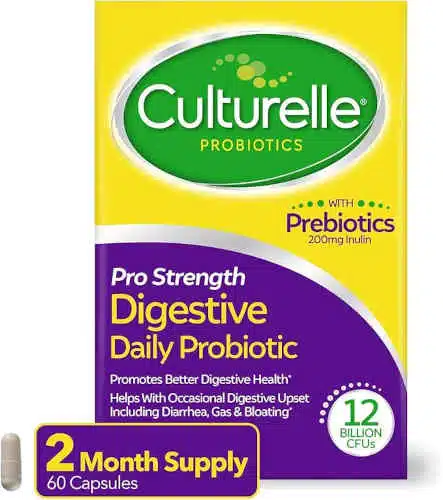
| L. rhamnosus GG | Budget-Friendly | One of the most clinically studied strains in the world for general digestive regularity. | ; Trusted by 100,000+ buyers |
Align Probiotic | 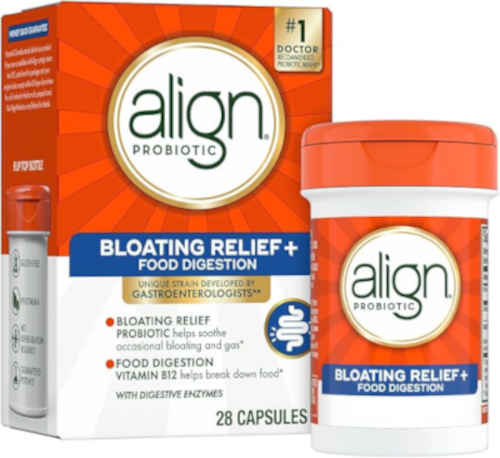
| B. infantis 35624 | IBS/Gas Relief | A doctor-recommended strain specifically proven to reduce gas, bloating, and abdominal pain. | ; No extra cost to you |
Her Florastor | 
| S. boulardii | Antibiotic/Urgent | A probiotic yeast (not bacteria), making it resistant to antibiotics. Great for gas caused by gut "crashes." | ; Secure checkout on Amazon |
Seed DS-01 Prebiotic | 
| 24 strains (inc. B. infantis) | Systemic Health | Uses a "capsule-in-capsule" design to ensure bacteria survive stomach acid. Highly rated for bloating. | ; Trusted by 100,000+ buyers |
Synbiotic Prebiotic + Probiotic + Postbiotic | 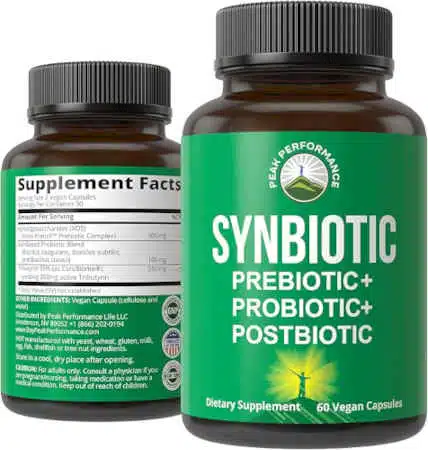
| L. rhamnosus (LGG), B. animalis lactis | 3-in-1 Support | Combines prebiotics, probiotics, and postbiotics (tributyrin) to target the gut barrier directly. | ; No extra cost to you |
How Long Do Probiotics Take to Reduce Bloating?
Timeline | What to Expect |
Days 1-7 | Possible mild gas (change phase) |
Weekes 2-4 | Reduced bloating, better digestion |
Weekes 4-8 | More stable gut, fewer flare-ups |
Temporary gas in the first week is normal.
If bloating worsens after 3–4 weeks, the strain may not be right for you.
Real-World Review Insights (What Women Report)
 “My stomach finally feels flat by evening instead of ballooned.”“Took about two weeks, but my PMS bloating is noticeably better.”“Less gas, more regular, no stomach pain anymore.”
“My jeans fit better by week two.”
“Less gas, especially in the evenings.”
“Finally, something that works consistently.”
Common themes from positive reviews:
-
- Consistency matters
- Results improve after the first cycle
- Bifidobacterium strains are key
FAQs: Probiotics for Bloating and Gas Women
Can probiotics make bloating worse?
Yes — temporarily. This usually resolves within 7–10 days as your gut adjusts.
Should women take probiotics daily?
Yes. Daily use leads to better microbiome stability and symptom control.
Are probiotics safe during periods?
Absolutely. Many women notice less menstrual bloating with regular use.
Can probiotics help with food sensitivities?
They may reduce symptoms, but they don’t replace eliminating trigger foods.
What’s the best time to take probiotics?
Either:
-
-
Morning on an empty stomach, or
-
With a light meal (if sensitive)
-
Final Verdict: Are Probiotics Worth It for Bloating and Gas in Women?
Yes — when chosen correctly.
The best probiotics for bloating and gas in women focus on strain quality, digestive balance, and hormonal sensitivity, not just high CFU numbers.
If bloating affects your comfort, confidence, or daily life, a targeted women’s probiotic can be a long-term, science-backed solution rather than a temporary fix